
Food waste composting programs do not have to be messy, smelly, or difficult to manage. The top three program challenges are container placement, employee training, and collection frequency. When these pieces are addressed early, separating food scraps for composting can become a seamless part of daily operations. A well-managed program can improve cleanliness while helping businesses meet local requirements.
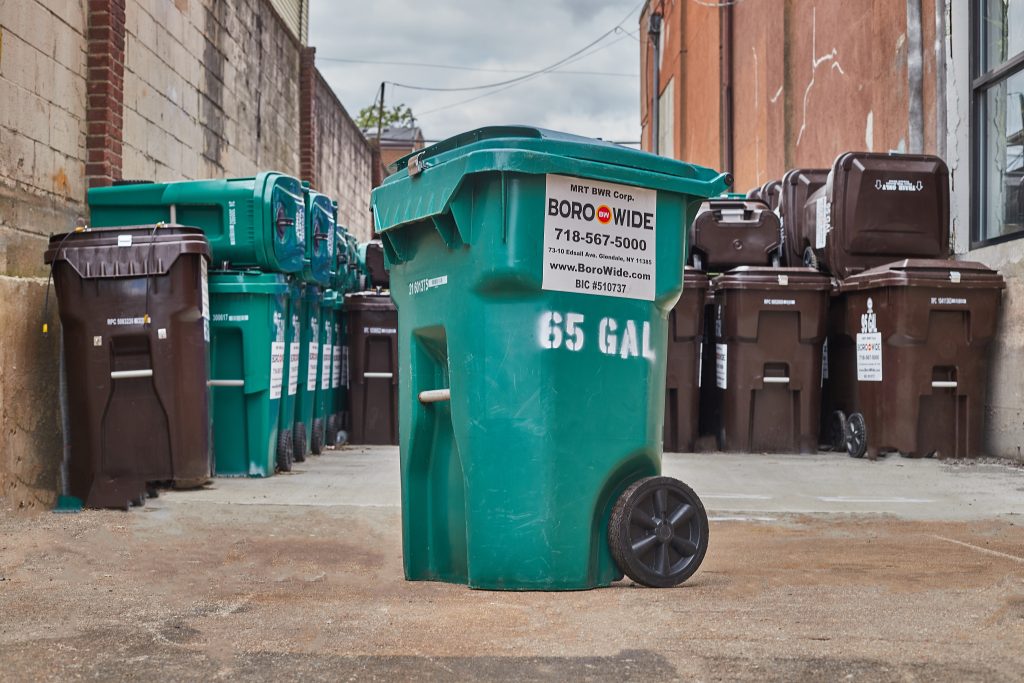
Start with the right containers in the right locations. Intermediate food waste bins should be placed where scraps are generated, not where they are convenient to store. These bins should be leak-proof and lined with compostable bags to prevent spillage. Keeping containers close to prep stations, dish areas, or break rooms can reduce contamination and improve participation. Odor control begins with collection frequency. Containers should be emptied regularly and cleaned as part of normal housekeeping routines. Lids should remain closed when bins are not in use, and liners can help make it easier to clean up. Businesses that wait until odors become noticeable often find themselves dealing with preventable issues.
Employee education is equally important. Staff should understand what materials belong in the food waste stream and why separation matters. Simple signage and periodic reminders can prevent contamination that leads to rejected loads or additional processing costs. A few minutes of training can save significant time and frustration later.
The most successful food waste programs are built around practical habits. Businesses that keep containers clean, train employees, and maintain regular collection schedules typically experience fewer problems. Food waste diversion does not require major operational changes. With the right approach, it becomes a routine part of keeping a facility clean, organized, and compliant.

